High-Output Ostomy: Personalized Output Tracker Tool & Hydration Plan
If you have an ileostomy, your normal daily output is roughly 800-1200ml. Above 1500ml per day is “high output” territory where regular drinking does not keep up and dehydration becomes a real risk. Below the level where you need IV fluids, but above the level where you can ignore it. This guide explains the hydration math, the food and fluid strategy that works, the warning signs of true dehydration, and gives you a tool that tells you which category you are in right now.
Leak Location Quick Decoder
Tap each question below. We'll pinpoint your most likely leak cause and the targeted fix.
1
Where does the leak appear first?
2
When does it usually happen?
3
How fast does the seal fail?
Your leak cause appears here — tap a question above
Tap a button above to start narrowing down the cause.
What's My Hydration Plan?
Three quick estimates and the tool tells you your daily fluid target, electrolyte plan, and whether your output is high enough to call your doctor.
Step 1 — Roughly how much output per day?
📏Under 800 ml (3 cups)
📐800-1200 ml (3-5 cups)
⚠️1200-2000 ml (5-8 cups)
🚨Over 2000 ml (8+ cups)
❓Not sure / never measured
Step 2 — What kind of ostomy?
🔵Ileostomy
🟢Colostomy
💧Urostomy
Step 3 — How are you feeling?
✅Energy + urine looks normal
😴Fatigue, dark urine, thirsty
😵Lightheaded, cramping, weak
🚨Confusion, racing heart, fainting
Why drinking more water makes high output worse
Morning hydration sets the baseline before output starts.
Evidence Stack
High-output management has the strongest evidence base in the ostomy literature:
What we learned
For a high-output ostomy, plain water can make things worse. The fix is oral rehydration solution, hypotonic fluid restriction, output-thickening foods, and anti-motility medication — dehydration risk is about concentration and electrolytes, not just volume.
What it means for you
Sip ORS between meals, limit large amounts of plain water, thicken output, and watch for dark urine and dizziness on standing. Track your output and act early on warning signs.
Pattern Observations
After tracking high-output management across the Stoma Stifler community:
Plain water is part of the problem, not just the solution. High-output ileostomates need oral rehydration solutions (ORS), not just water.
Output volume isn’t the only metric — concentration and electrolytes matter. Dark urine + dizziness on standing = warning, regardless of stoma output.
Hypotonic fluid restriction (limiting plain water and replacing with ORS or broth) often REDUCES total output, paradoxically.
Loperamide before meals + ORS sipping between meals is the protocol most readers settle into after weeks of trial and error.
The core protocol. A 2022 dietary management review confirms that oral rehydration solutions, hypotonic fluid restriction, and targeted dietary modifications are first-line for high-output stomas to prevent dehydration, electrolyte disturbance, and malnutrition. According to PubMed (DOI 10.7748/ns.2022.e11941).
Evidence gap for IBD ileostomy. A 2024 systematic review of high-output interventions in IBD found the evidence is dominated by older trials, with only 6 RCTs across decades. According to PubMed (DOI 10.1093/crocol/otae056).
This is the counterintuitive piece that most ostomates learn the hard way. When you have an ileostomy and output is high, drinking large amounts of plain water tends to INCREASE output rather than rehydrate you. Without the colon to absorb water and sodium, plain water passes straight through, flushes out more electrolytes, and leaves you more dehydrated even though you are drinking constantly.
The fix is to drink fluids that have the right balance of sodium, glucose, and water. The small intestine has a sodium-glucose co-transport mechanism that absorbs water alongside salt and sugar. Without sodium and glucose, water just keeps moving. With them, water gets absorbed into your bloodstream where you need it.
Visual Reference — Daily Output Volume
Daily ileostomy output ranges. Borderline-high (1200-1500ml) warrants electrolyte support; high (1500-2000ml for 2+ days) warrants action; 2000+ ml warrants same-day clinical contact.
Most ileostomy output sits in the 600–1,200 mL range. Above 1,500 mL/day is the high-output threshold where the protocol below kicks in.
What to drink for high output
Oral rehydration solution (the most effective option). Premade: Drip Drop, Liquid IV (single serve), LMNT, Pedialyte. Homemade: 1 liter water + 6 teaspoons sugar + 1/2 teaspoon salt. Drink 1-2 liters per day spread out, not all at once.
Broth (bone broth or vegetable). Naturally salty, easy to digest, the traditional remedy for output management.
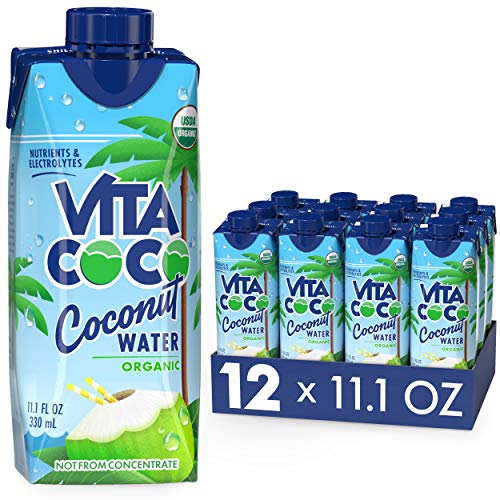
Coconut water. Naturally high in potassium and some sodium. Skip flavored versions with added sugar.
Salted tomato or vegetable juice. Sodium plus electrolytes.
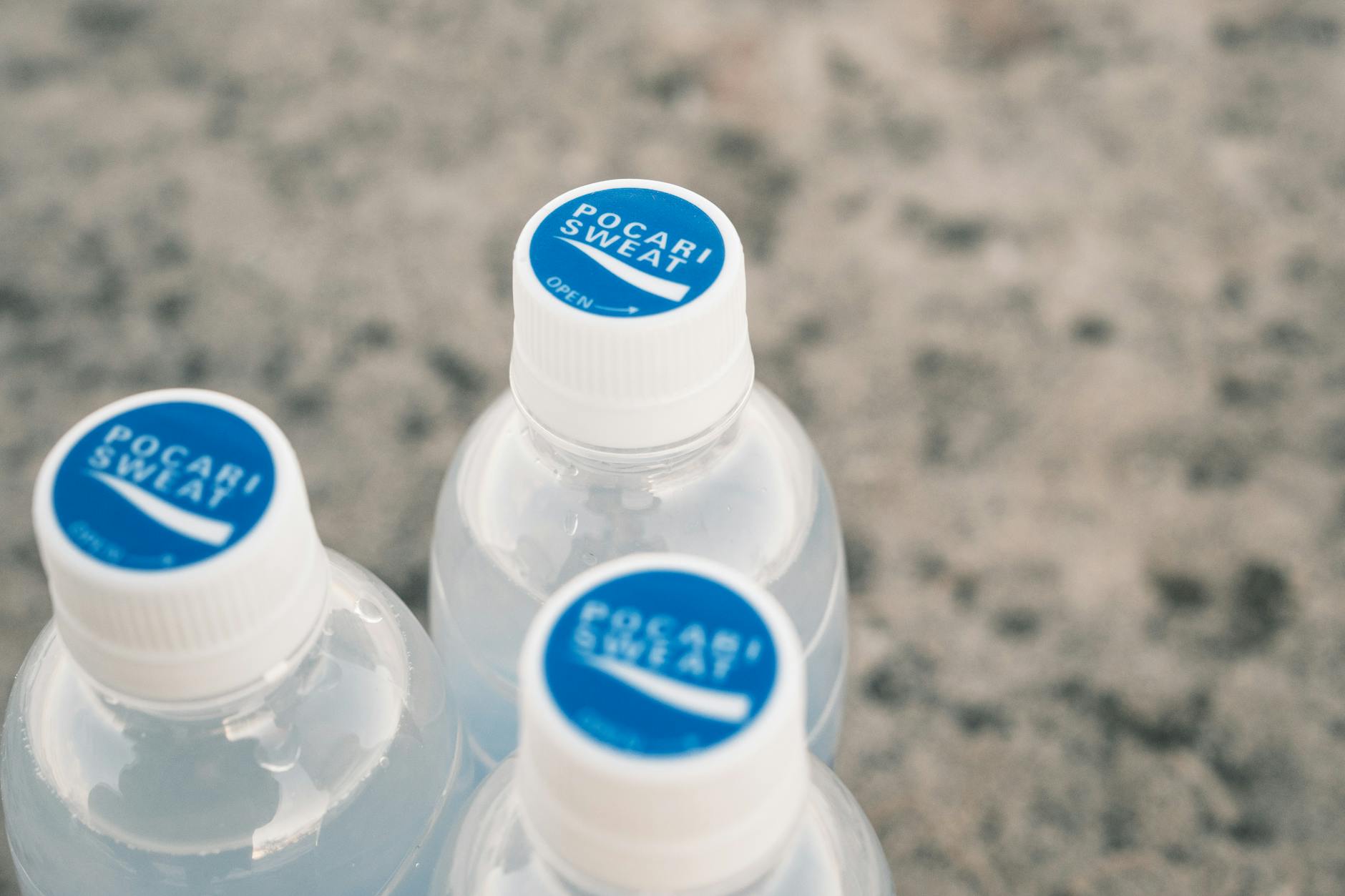
Sports drinks (in moderation). Gatorade, Powerade. Designed for sweat losses but the sodium-glucose ratio helps ileostomies too.
Reader-Tested Picks
Hydration That Holds for High Output
Plain water makes the problem worse. Each pick below carries the sodium + glucose ratio your gut needs to absorb the fluid instead of dumping it.
If you only choose one: LMNT — sugar-free, high-sodium, taste-tolerated by most stomates.
If you struggle with the taste of oral rehydration solution, mix it half-and-half with juice or add a slice of lemon. The taste preferences for these solutions change once you are dehydrated — they often taste good when you need them.
What makes high output worse
Plain water in large quantities (as explained above)
Coffee and caffeinated tea — diuretic effect plus stimulant action on the gut
Alcohol — strongly dehydrating, especially beer and wine
Sugar-free anything containing sorbitol, xylitol, or mannitol — sugar alcohols cause massive osmotic output
High-residue foods on an empty stomach — large salads, raw vegetables, fruit smoothies all speed output
Dried fruit — rehydrates and swells in the intestine, increasing output
Spicy foods (for many people) — individual triggers vary
Very cold drinks — speed gastric emptying
Foods that thicken output
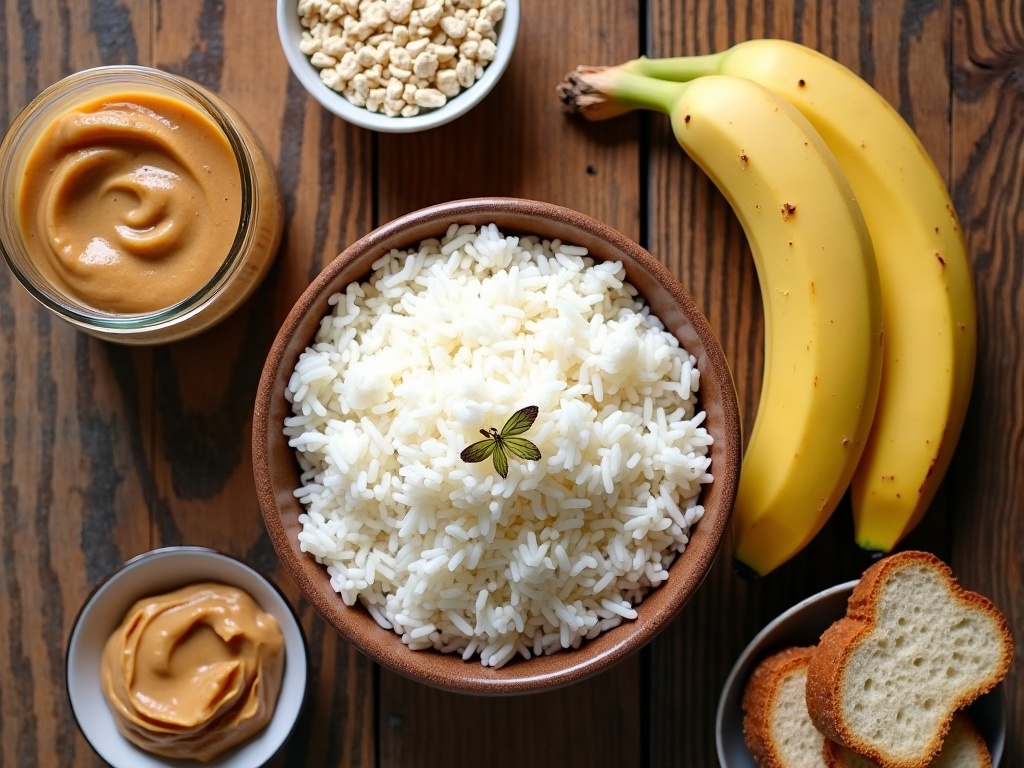
These foods slow gastric emptying and absorb water in the intestine, naturally reducing output volume. Eat them at every meal during high-output periods:
Build every plate from these starches and bland proteins during a high-output flare.
White rice (the workhorse)
White bread, toast, plain pasta
Banana (slightly green is even more effective)
Applesauce (smooth)
Smooth peanut butter or almond butter
Oatmeal (well-cooked, not steel-cut)
Cooked white potatoes (no skin)
Marshmallows (yes, really — the pectin slows transit)
Cheese (sharp cheddar specifically)
Plain crackers, pretzels, plain rice cakes
Pair these with protein (eggs, chicken, fish) at every meal for satiety. Eat 5-6 small meals rather than 3 large ones during a high-output flare. Large meals trigger the gastrocolic reflex and dump output volume.
Medications that help
Loperamide (Imodium) is the workhorse medication for high-output ostomies. It slows intestinal motility, allowing more time for water and electrolyte absorption. Most high-output ileostomates take it daily — often 2-4mg twice daily, sometimes more under medical supervision. Take it 30 minutes before meals for best effect. This is not a casual "as-needed" medication for ostomates; it is a maintenance tool.
Codeine and diphenoxylate (Lomotil) are sometimes prescribed for refractory cases. Cholestyramine binds bile acids that can drive output in some patients (especially after small bowel resection). These need medical supervision and lab monitoring.
Do not start any of these without talking to your colorectal team. There are also specific cases (Crohn's disease, after extensive bowel resection, certain medications) where the dose and timing matter for safety.
Warning signs you are dehydrated (and when to act)
Expert Synthesis
High-output ostomy management is one of the few ostomy topics where the clinical literature converges on a clear protocol: oral rehydration solutions (not water), hypotonic fluid restriction, dietary modification, and pharmacologic support with loperamide where appropriate. The readers who report dramatic improvement are the ones who treat dehydration as preventable rather than as something to react to. The folks who keep landing in the ER are usually drinking plain water at high volumes and avoiding loperamide because they think they don’t want to ‘mask’ output. The protocol isn’t masking — it’s rebalancing absorption.
Mild: dark urine, thirst, fatigue, headache, dry mouth, less urine output than usual
Moderate: dizziness when standing, muscle cramping, weakness, very dark urine, racing heart
Severe (ER): confusion, fainting, no urine for 8+ hours, rapid weak pulse, sunken eyes, very dry mucous membranes
Moderate dehydration symptoms warrant a same-day call to your doctor or a visit to urgent care for IV fluids. Severe symptoms are an emergency. Call your colorectal team if you have output above 1500ml per day for more than 48 hours, even if you feel okay — chronic high output silently depletes magnesium, potassium, and bicarbonate, which causes problems weeks before you feel them.
How to track your output and hydration
Measure output volume for 3 days when you suspect it is high. Use the markings on your pouch or a measuring cup at change time.
Track urine color and volume. Pale yellow = adequate hydration. Should be at least 1 liter per day.
Weigh yourself daily. Sudden drops of 1-2 pounds usually mean dehydration, not fat loss.
Note energy levels. Steady energy = good hydration; afternoon crashes often = dehydration setting in.
Get periodic labs. Magnesium, potassium, sodium, kidney function, bicarbonate. Ask your team for a baseline + every 6 months minimum.
When hydration is dialed in but noise still bothers you
Stoma Stifler
A sound-dampening guard worn over your appliance. Different problem from output, but often the same goal: feeling normal in public again.
How much fluid should an ileostomate drink per day?
Most ileostomates need 2-3 liters per day, split between plain water (1-1.5L), electrolyte drinks (1L), and broth (a cup or two). The standard "8 glasses of water" advice is calibrated for people with a working colon. Ileostomates often need 1.5-2x that volume, with electrolytes mixed in.
Is salt good for an ileostomy?
Daily hydration setup: filtered water + electrolyte add-in.
Yes, in most cases. Ileostomates typically need MORE sodium than the general population because they lose salt with every output. Adding sea salt to meals, drinking salted broth, and using oral rehydration solutions all help. Talk to your doctor about your specific needs if you have hypertension or heart disease.
What output is considered "high output" ostomy?
Most colorectal teams use 1500ml per day as the threshold for high-output ileostomy. Some use 1200ml. Above either threshold, dehydration risk is significant enough to warrant active management with hydration strategy, thickening foods, and often loperamide.
Can stress increase ostomy output?
Yes. Stress triggers the same nerve pathways that drive normal bowel function. Many ostomates notice that high-stress days have higher output. Stress reduction practices — sleep, gentle exercise, breathwork — help control output as much as diet does.
Will my output ever go back to normal?
Most ileostomates see output stabilize over the first 6-12 months as the small intestine adapts. The adaptation process is real and improves both volume and consistency. Maintain your hydration strategy during this period and most people reach a manageable steady state. If output stays unusually high beyond 12 months, talk to your team about further evaluation.
According to PubMed
Research that backs up this guidance
Murken DR, Bleier JIS. (2019). Ostomy-Related Complications. Clinics in Colon and Rectal Surgery, 32(3):176-182. [DOI]
Comprehensive review of common stoma issues - peristomal skin complications, retraction, stomal stenosis, prolapse, bleeding, dehydration from high output, and parastomal hernia. Covers prevention and recommended management strategies for every issue an ostomate typically faces.