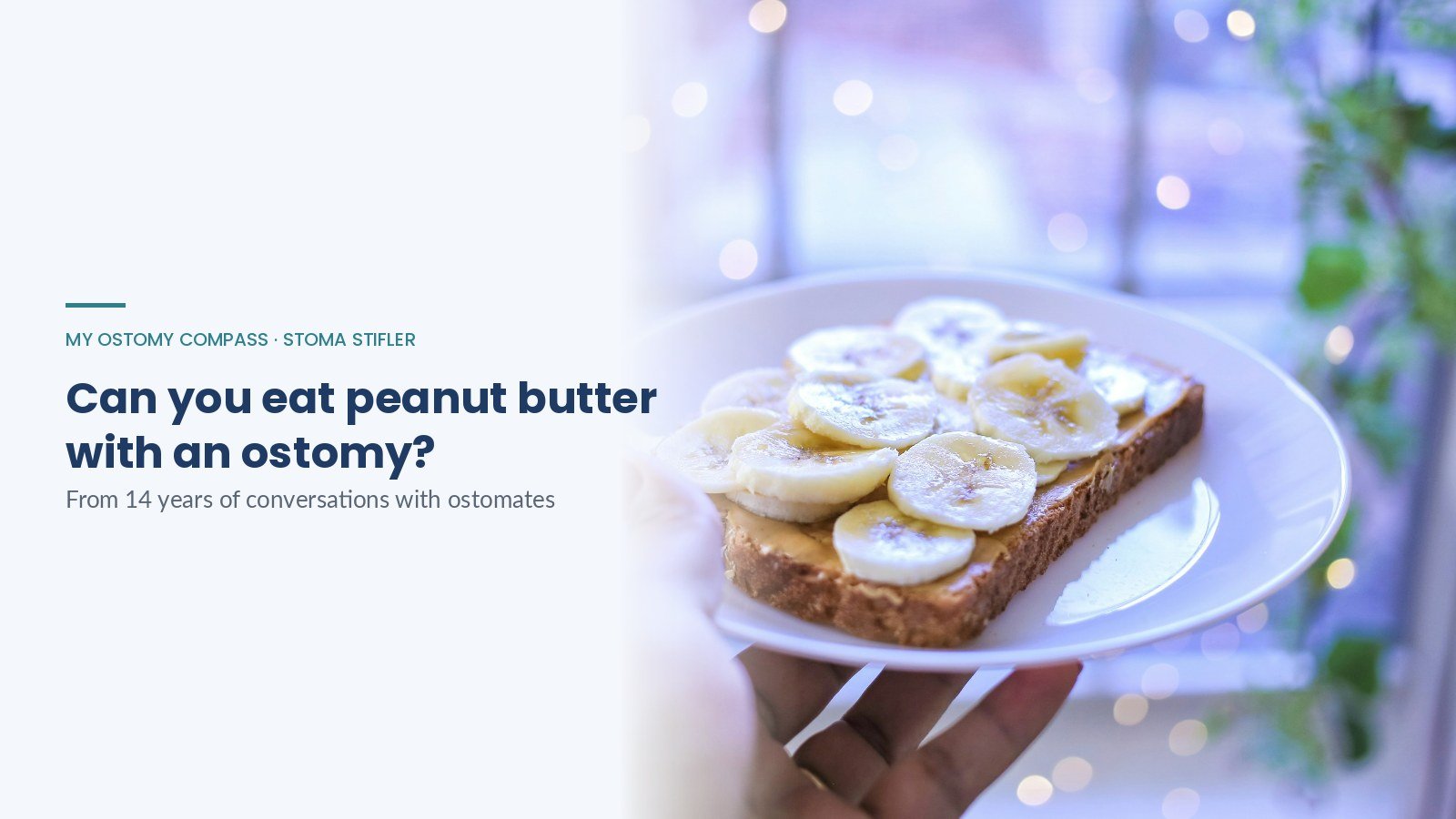
Smooth peanut butter is one of the easier foods to enjoy with an ostomy: it arrives already ground to a soft paste, and it can help thicken loose output. Crunchy peanut butter and whole peanuts carry firm pieces that need good chewing, and they come back a little later, especially with an ileostomy.
Peanut butter with an ostomy, in short
- Smooth peanut butter: usually an easy food once soft foods are going well
- Crunchy and whole peanuts: later, chewed well; with an ileostomy, around 6 months
- A spoonful of smooth peanut butter can help thicken loose output
- The signs to stop and call your ostomy nurse
With a urostomy, food takes its usual path, and peanut butter is yours to enjoy as before surgery.
Peanut butter and your ostomy

Your Blueprint brings back the foods you miss, in the right order, as part of a plan written from your own story.
Start My BlueprintAt a glance
| Colostomy | Smooth once soft foods go well; crunchy after the first 4 to 6 weeks, chewed well |
|---|---|
| Ileostomy | Smooth first; crunchy and whole peanuts around 6 months, with your team on board |
| Urostomy | Enjoy it as before surgery, with plenty to drink alongside |
| The easy part | A smooth paste that can help thicken loose output |
| The tricky part | Crunchy bits and whole peanuts |
| Best pick | Natural smooth peanut butter: peanuts and a little salt |
| First try | A thin spread on soft toast or a banana at lunch, with a drink |
| Call your ostomy nurse | Cramps in waves with little or thin output, nausea, a swollen stoma |
Can you eat peanut butter with a colostomy?
Yes, most people with a colostomy enjoy peanut butter again. Smooth peanut butter is soft and passes easily, and the colon gives thicker, slower output time to move through.
The first 4 to 6 weeks after surgery are for soft, simple foods while the bowel heals. Smooth peanut butter is a soft food, and many care teams welcome a thin spread once those first foods are going well. Crunchy peanut butter and whole peanuts come back after the first weeks, a little at a time.
Can you eat peanut butter with an ileostomy?
Yes, many people with an ileostomy enjoy peanut butter, and smooth peanut butter is one of the friendliest foods on the list. Output leaves the small bowel through a narrower opening, and a smooth paste passes through it easily.
With a colostomy
Thicker, slower output. Smooth peanut butter fits once soft foods go well, and crunchy follows after the first 4 to 6 weeks.
With an ileostomy
Output leaves through a narrower opening. Smooth peanut butter comes first, and crunchy and whole peanuts usually return around 6 months.
The firm pieces are the part to plan around. Crunchy peanut butter and whole peanuts usually come back around six months after surgery, once softer foods have gone well and your care team agrees.
Does peanut butter thicken ostomy output?
Yes, smooth peanut butter is one of the foods that can help thicken loose output. It is soft, rich in protein and healthy fats, and it gives a meal more body. A hospital teaching sheet for people with an ostomy lists creamy peanut butter among the foods that thicken output.
From smooth to whole peanuts
It pairs well with other foods that do the same, such as a ripe banana, oatmeal, white toast or white rice. On loose days, drink alongside: water with a pinch of mineral salt and a squeeze of lemon or lime (the citrus alone if you limit salt). With high ileostomy output, the oral rehydration drink your care team suggested comes first.
Smooth or crunchy: which peanut butter is best?
Peanut butter comes in a few forms, and the form decides how much chewing it needs. The jar to reach for first is smooth and natural, with peanuts and a little salt on the label.
- Smooth natural peanut butterPeanuts and a little salt; stir in the oil that rises to the top.
- Powdered peanut butterRoasted peanuts ground to a fine powder that stirs smooth into oatmeal or a smoothie.
- In baking and saucesBlended into soft muffins and cookies, or a warm peanut sauce over rice.
- Crunchy peanut butterSmall firm bits; a thin spread, chewed well, once smooth goes well.
- Whole peanutsFirm and dense; a few at a time, chewed to a paste, come last.
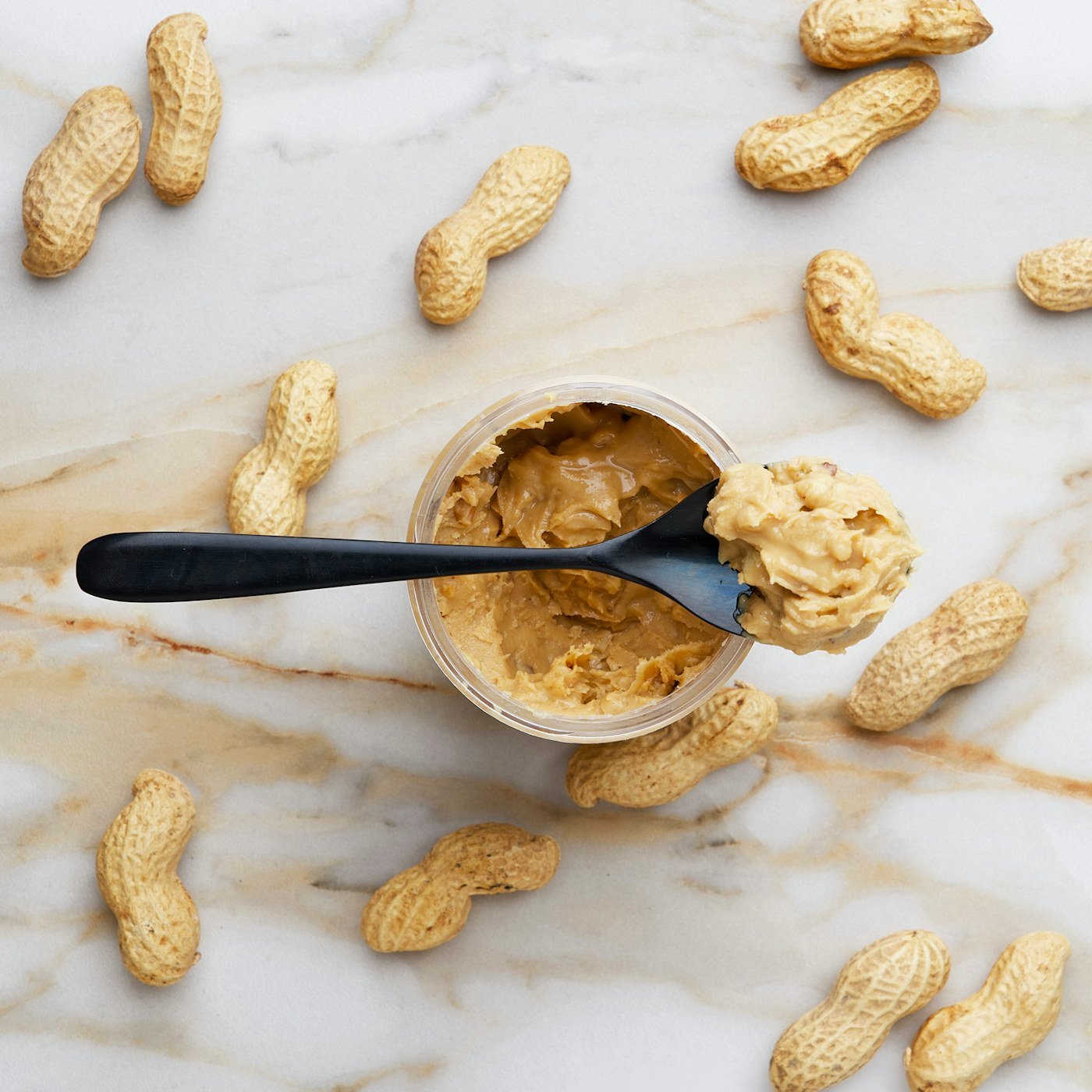
Natural peanut butter separates in the jar, with a layer of oil on top. Stirring it back in once, right after opening, keeps every spoonful smooth, and a jar kept in the fridge afterward stays mixed.
How do you eat peanut butter with an ostomy?
Peanut butter pairs well with soft foods, and the pairing makes it easier to enjoy.
- On soft toastA thin spread on white or soft wheat toast at lunch.
- With a ripe bananaBanana slices with a little peanut butter: two foods that can help thicken output.
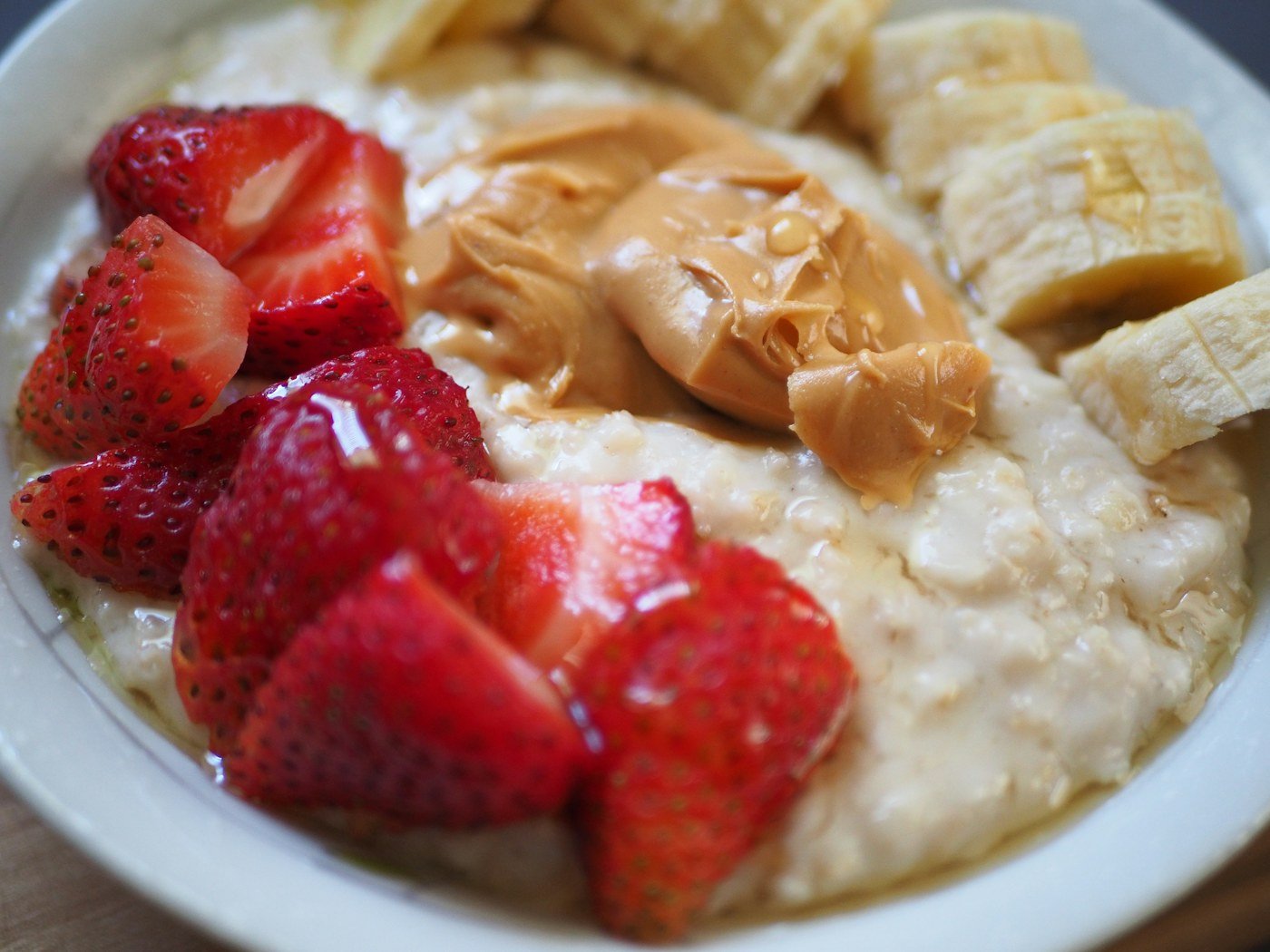
- Stirred into oatmealA spoon swirled into a warm bowl of oats.
- Blended into a smoothieSmooth peanut butter or powder with banana and the milk you enjoy.
- Spread it thinA thin layer goes down easier than a thick spoonful.
- Drink as you goWater with a pinch of mineral salt and a squeeze of lemon or lime (the citrus alone if you limit salt).
Peanut butter is sticky, and a glass of water alongside helps it go down easily. Sip through the meal, a little at a time.
A few helpers for peanut butter at home. An organic creamy peanut butter made from peanuts and a little salt, a powdered peanut butter that stirs smooth into oatmeal and smoothies, a crank mixer that blends the natural oil back into the jar, and organic quick oats for a soft bowl to swirl it into.
Once Again Organic Creamy Peanut Butter, Lightly Salted
 View on Amazon
Organic creamy peanut butter, lightly salted, made from peanuts and a little salt.
Naked PB Organic Powdered Peanut Butter
 View on Amazon
Roasted peanuts ground to a fine powder, one ingredient, for oatmeal and smoothies.
Grandpa Witmer’s Natural Peanut Butter Mixer
 View on Amazon
Crank mixer that stirs the natural oil back into a jar of peanut butter.
Bob’s Red Mill Organic Quick Cooking Rolled Oats
 View on Amazon
Organic quick-cooking rolled oats for a soft, warm bowl.
As an Amazon Associate, Stoma Stifler earns from qualifying purchases. Disclosure
How much peanut butter can you eat?
Start with a thin spread and let your output guide the next portion. The test below works for any new food.
- 1A thin spread at lunch
- 2On something soft, like toast or a banana
- 3A full glass of water alongside
- 4Watch output for 24 hours
- 5Went well? A little more next time
When peanut butter usually comes back
A serving of peanut butter is about two tablespoons. A spoon measured onto a plate is easier to pace than eating from the jar, and it keeps crunchy bits to a portion you can chew well.

What are the signs it is not passing well?
Smooth peanut butter rarely causes trouble. Crunchy peanut butter and whole peanuts carry firm pieces, and knowing the early signs of a partial blockage means you can act at the first cramp.
Usually normal
- Thicker output for a few hours
- Small peanut pieces in the pouch after crunchy
- A little more gas the same evening
Call your ostomy nurse
- Cramps that come in waves
- Thin, watery output with cramps, or much less output
- Nausea or a bloated, tight belly
- A stoma that looks swollen
Go to the emergency room for vomiting, strong steady pain, no output for 4 to 6 hours with an ileostomy, or a stoma that looks dark, purple or black.
For a partial blockage at home (stop solids, warm fluids, a warm bath, gentle massage around the stoma), see the step-by-step guide to an ostomy blockage.
A habit that helps
Pair peanut butter with something soft. A thin layer on a ripe banana or soft toast is gentler than a spoonful on its own.
Did peanut butter come back for you?
If peanut butter is part of your days again, the way you enjoy it, the portion that works, the pairing that helped, share it by email at info@stomastifler.com. Stories are shared only without your name, to help the next person reaching for the jar.
Research that supports these recommendations
Ostomy nutrition guidance points the same way: soft, simple foods come first after surgery, chewing well makes food easier to process, and firm, fibrous foods come back slowly.
Hospital teaching sheets list creamy peanut butter among the foods that thicken output, and studies of people living with a stoma show that clear eating guidance and chewing well are the steps that matter most.
| What the research found | Source |
|---|---|
| For the first several weeks after surgery, simple, soft foods are easier to digest; chewing well makes food easier to process, and high-fiber foods come back slowly. | United Ostomy Associations of America, Ostomy Diet Guidelines After Surgery |
| A hospital teaching sheet lists creamy peanut butter among the foods that thicken output, and nuts and seeds among the foods to chew well to prevent a blockage. | Children’s Wisconsin, Colostomy/Ileostomy Diet teaching sheet, revised January 2024 |
| Dietary steps such as chewing well and adding fibrous foods slowly help prevent a food bolus obstruction with a stoma. | Burch J. Stoma care and diet in the community. British Journal of Community Nursing, 2024;29(4):195-198. doi.org/10.12968/bjcn.2024.29.4.195 |
| A structured eating plan with counseling after ileostomy surgery lowered hospital readmissions, including readmissions for dehydration. | Fernández-Gálvez A et al. Nutritional and educational intervention to recover a healthy eating pattern reducing clinical ileostomy-related complications. Nutrients, 2022;14(16):3431. doi.org/10.3390/nu14163431 |
What this means for you: peanut butter can be part of life with an ostomy. Smooth first, a thin spread and a drink alongside are what make it comfortable.
Frequently asked questions
Can you eat peanut butter with a colostomy?
Yes. Smooth peanut butter is a soft food, and many people with a colostomy enjoy a thin spread once their first soft foods are going well. Crunchy peanut butter and whole peanuts come back after the first 4 to 6 weeks, chewed well.
Can you eat peanut butter with an ileostomy?
Yes. Smooth peanut butter is one of the easier foods with an ileostomy, and it can help thicken loose output. Crunchy peanut butter and whole peanuts usually come back around six months after surgery, once softer foods have gone well and your care team agrees.
Does peanut butter thicken ostomy output?
Smooth peanut butter is one of the foods that can help thicken loose output. A spoon with a meal, on soft toast or a ripe banana, works well, with a drink alongside.
Is crunchy peanut butter okay with an ostomy?
Crunchy peanut butter carries small firm bits of peanut. With a colostomy it usually comes back after the first 4 to 6 weeks; with an ileostomy, around six months. Start with a thin spread and chew each bite well.
Does peanut butter cause gas with an ostomy?
Peanuts add a little gas for some people. A small portion earlier in the day keeps it easy, and the guide to stoma sounds covers the rest.
Can you eat peanut butter with a urostomy?
Yes. With a urostomy, food takes its usual path through the bowel, and peanut butter is yours to enjoy as before surgery. A glass of water alongside helps with salted brands.
Last updated November 2026. Written from 14 years of conversations with people living with an ostomy and the people who care for them.