Your first trip with an ostomy is mostly an exercise in over-preparing the supply kit and under-worrying about TSA. Here is the framework, two weeks out, travel day, at destination, coming home, that turns the first post-surgery trip from terrifying to ordinary.
Last updated: October 2026
Travel is one of the milestones ostomates worry about most and one of the easiest to actually pull off. Airports are not the obstacle. Other countries are not the obstacle. The obstacle is the unknown, and unknown becomes known with one trip.
This is the playbook most ostomates wish they’d had before flight one.
Two weeks out: build the doubled kit
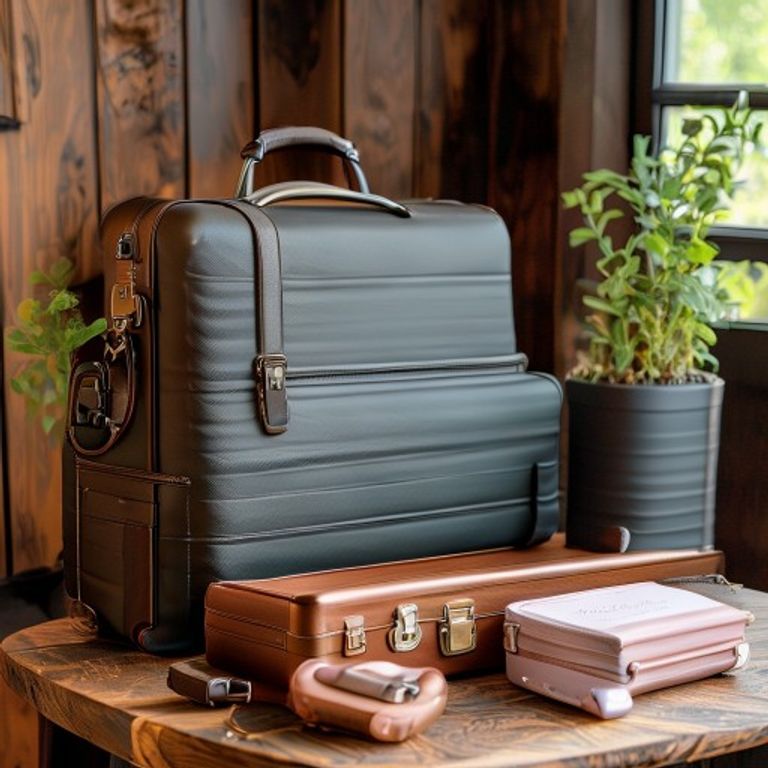
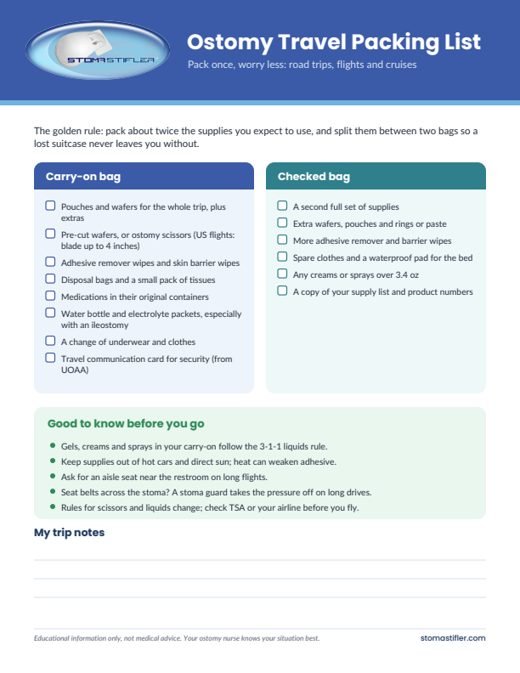
The cardinal rule of ostomy travel: pack twice what you think you need. A two-week trip should have four weeks of supplies. A three-day weekend should have a week of supplies.
The doubling math sounds excessive until you’ve had a flight delayed and you’re sitting in a foreign airport with one spare appliance. Then it’s the most obvious math in the world.
The two-weeks-out checklist:

- Spare appliances, 2x what you’ll use. Pre-cut at home.
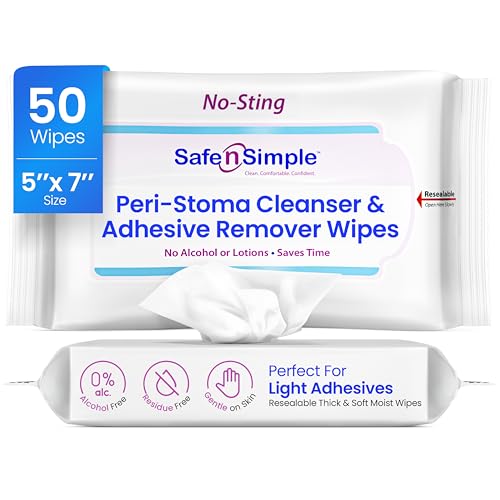
- Adhesive remover wipes, small box
- Stoma powder, for any humidity-related skin issues at the destination
- Barrier rings, extra seal security for travel
- Soluble fiber (psyllium), small travel container; output stays predictable
- Electrolyte mix packets, climate change + flying = dehydration
- Small clear zip pouches, for the in-bathroom changes during travel
- The Stoma Stifler kit, discretion in airport bathrooms, on planes, in hotel rooms with thin walls
Also: order any prescription supplies two weeks in advance. International shipping delays are real, and pharmacies in unfamiliar countries don’t always carry your specific brand.
Two weeks out: get the TSA notification card
This is the single best piece of paper you can carry. The TSA notification card is a free, downloadable form you fill out, print, and hand to the TSA officer at security. It says, in writing, that you have a medical condition (you don’t have to specify what) requiring private screening or sensitivity around your abdomen.
You are NOT required to disclose you have an ostomy to TSA. You can simply say “I have a medical device” and request a private screening. The card just makes the conversation faster.
Most ostomates report TSA officers are professional and discreet. The card minimizes any awkwardness; not having it is fine too, just be prepared to advocate for the private screening room.
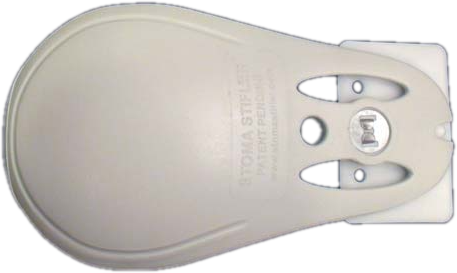
Stoma Stifler™, The Sound Suppressor + Stoma Guard Most Ostomates Wish They’d Found Sooner
Travel day: the carry-on rules
One unbreakable rule: your full ostomy supply kit goes in your carry-on, not your checked luggage. If your bag gets lost, you cannot get a stoma appliance from a hotel concierge. Carry-on, every time.
The carry-on packing strategy:
- Quart bag (TSA liquid bag): stoma powder (counts as solid, but pack in the liquids bag for visibility), small bottle of saline if you use it, adhesive remover wipes (sealed)
- Main carry-on: Spare appliances (uncut and pre-cut), full barrier rings package, fiber, electrolyte packets, the Stoma Stifler kit if you use it
- Personal item / day bag: 1 spare appliance + 1 ziplock + 2 wipes, the in-flight emergency kit
- Wear-on-body: The 10-second-grab kit in a small pouch on your belt or inside your jacket pocket
Pre-cut your appliances at home. Doing it in a hotel bathroom with sub-par scissors is unnecessary friction.
Travel day: hydration and bathroom strategy
Flying dehydrates everyone. It dehydrates ostomates faster. Drink water steadily through the flight, and use one electrolyte packet for every 4 hours of travel time.
The aisle seat is your friend. Book it on every flight unless you’re with a partner who needs it more. The bathroom on the plane will not be where you do a full appliance change unless absolutely necessary, but having quick aisle access for emptying every couple of hours is a non-negotiable comfort factor.
For the actual bathroom logistics on the plane: empty before boarding, empty mid-flight if you can, empty right before landing. The seat-belt sign rules everything; plan around it.
At destination: climate adjustments
Three things change when you change climates:
- Hot, humid destinations: The wafer adhesive can soften. Use barrier rings on every change. Consider waterproof zinc oxide tape around the wafer edge for extra seal hold. Shower changes work better than mid-day changes (shower cleans the area first).
- Cold destinations: The wafer can stiffen and wrinkle. Warm it briefly between your hands before applying. Layer clothing so the appliance area stays at body temperature.
- High altitude: Gas expands. Your pouch will fill faster. Empty more often. Wear a vented appliance.
For all climates: drink one extra electrolyte packet daily compared to home. Travel days disrupt hydration patterns even in cool climates.
The first day at destination
The first 24 hours in a new place is when most travel-related ostomy problems appear. Your body is processing time-zone change, new food, new water, new climate, and travel-related dehydration all at once.
The simple rule: eat conservatively the first day. Stick to your safe-list foods (see our eating reset guide). The exotic-restaurant meal is a Day 3 plan, not a Day 1 plan. Day 1 is “I have arrived, my body is recalibrating, let me not throw curveballs at it.”
The discretion piece
Public bathrooms in airports, on trains, and in hotel rooms with thin walls are exactly the moments most ostomates feel exposed. The combination of unfamiliar acoustics + close strangers + nowhere to retreat is real.
This is one of the strongest use-cases for the Stoma Stifler kit. The molded cup and band system absorb the pressure-release sounds that would otherwise be audible, particularly noticeable in quiet airplane cabins, hotel rooms, and airport restrooms where you’re inches from strangers. See how it works for travel discretion specifically.
Coming home: the debrief
The 24-hour window after returning is when you learn what to adjust for the next trip. Ten minutes of debrief saves multiple repeat-mistakes:
- What did I run out of? (Add 50% more next time.)
- What did I pack and never use? (Take less.)
- Where did discretion fail or succeed? (What to bring or skip next time.)
- What food gave me trouble at the destination? (Trigger list.)
Write the debrief down. Even a quick notes-app entry. Trip 2 will be twice as easy if you do this; trip 3 will feel ordinary.
What you can do that you couldn’t on day three
Travel anxiety for ostomates is almost entirely a preparation problem. Three preparation moves separate smooth travelers from stressed ones: pack 3x supplies, pre-cut wafers at home, and carry a TSA notification card. None of those are about the destination, they’re all about the day before you leave. The readers who report wonderful trips with their ostomy tend to also report meticulous prep. The readers who report disasters almost always missed one of those three. International travel adds insurance and resupply considerations on top, but the foundation is the same.
Travel is one of the strongest “I am back to being myself” milestones. Most ostomates who took their first post-surgery trip report it changed their relationship with the ostomy more than any other single event. You are not stuck at home. You can fly. You can cross borders. You can sleep in foreign hotel rooms without leaks. The first trip proves it; every trip after is just doing the proven thing again.
For the broader confidence framework, see our first-year guide.
Affiliate disclosure: Some links in this article are Amazon affiliate links. If you purchase through them, Stoma Stifler may earn a small commission at no extra cost to you. See our full affiliate disclosure.
Build My Travel-Ready Stoma Kit
More from the Ostomy Library
- Sleeping with an ostomy: How to sleep comfortably and stop worrying about leaks at night.
- Exercise after ostomy surgery: A 12-week plan to return to exercise safely.
- Stoma noise in meetings: How to handle stoma sounds in meetings and quiet rooms.
Browse all Daily Life With an Ostomy guides or the full Ostomy Library.
Frequently Asked Questions
Is what I'm experiencing normal after ostomy surgery?
Most concerns ostomates have, bag noise, gas, occasional leaks, skin irritation, body-image adjustment, are normal in the first 6-12 months. The frequency and intensity drop significantly as your body adapts and your routine settles. Reach out to your ostomy nurse if anything feels worsening rather than improving.
When should I call my ostomy nurse or doctor?
Call promptly for: peristomal skin that's painful, bleeding, or breaking down; stoma color changes (dusky, purple, pale); no output for 4-6 hours with cramping (possible blockage); high output that won't slow despite reducing fiber and adding electrolytes; or a hernia bulge that becomes painful or won't reduce. Most other concerns can wait for your next scheduled appointment.
Does the Stoma Stifler help with this?
The Stoma Stifler is a stoma guard and noise suppressor in one. Its dense foam cup muffles stoma sounds and shields the stoma from bumps and pressure, without restricting output. It works with your existing pouching system and doesn't interfere with skin care or wafer adhesion. Pairing it with the basics, good skin routine, hydration, and any complementary supplies above, covers most daily-comfort challenges.
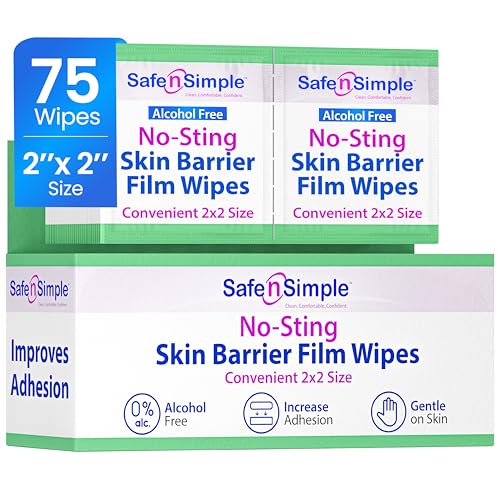
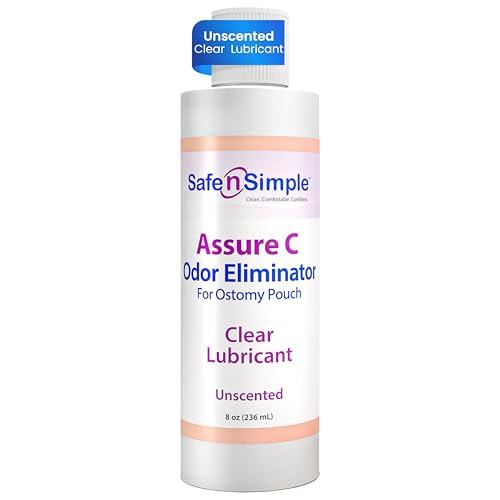
Helpful complementary supplies
A few items most ostomates keep on hand. These pair with your Stoma Stifler for an easier daily routine.

Research that backs up this guidance
- García-Manzanares ME, et al. (2024). Proof of concept of an experimental prototype for the prevention of parastomal hernia. Updates in Surgery, 76(5):1997-2009. [DOI]Pilot study of a peristomal support device used with a compression binder found parastomal hernia incidence of only 10% over 12 months (typical rates run 30-60% in the first 2 years). Confirms the value of intentional peristomal support during the high-risk first year after surgery.
- Bozkul G, et al. (2024). Nursing interventions for the self-efficacy of ostomy patients: A systematic review. Journal of Tissue Viability, 33(2):165-173. [DOI]Systematic review of 15 studies found that structured education, telephone follow-up, and peer-support interventions measurably increased self-efficacy, decreased stoma complications, improved adaptation, and raised quality of life.