
If you are searching for how to muffle your ostomy bag, you have probably already tried the obvious things and they did not fully work. This guide ranks eight real-world muffling methods from cheapest to most effective, with clear notes on what each one does (and what it cannot do).
Last updated: October 2026
Method 1: Fitted layers
The cheapest method. A snug undershirt, compression tank, or shapewear layer between the pouch and your outer clothing. Stops bag rustle and dampens minor sound. Does not affect the bag mechanics themselves, if your pouch is producing whistles or pops, fitted layers will not silence them. Best for: bag rustle when wearing flowing or synthetic outer clothing. Cost: $15 to $40.

Method 2: Activated charcoal pouches inside the bag
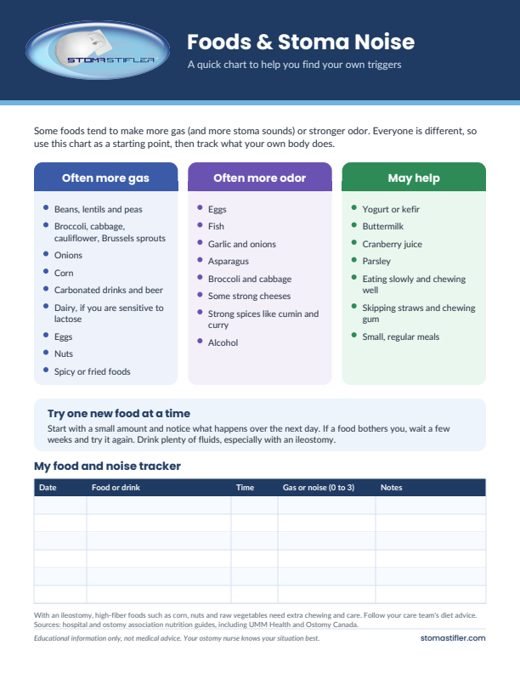
One charcoal pouch dropped inside the bag at each change reduces both odor and the gas volume that produces pop-style burst sounds. Charcoal does not absorb noise directly, it reduces the gas that creates the noise. About $0.15 per change at bulk pricing. Best for: pop-style and burst-style noise tied to gas. Cost: $20 to $30 per pack.
Method 3: Bag deodorizer drops
Marketed for odor but also reduces splash sound by lowering liquid surface tension inside the pouch. Drops added at every change. Best for: wet gurgle patterns. Cost: $10 to $20 per bottle, several months of use.
Method 4: Empty the bag at one-third full
No cost. Lower internal bag pressure means less whistle, fewer bursts, and quieter wet sounds. The hardest method psychologically because it asks you to act before you “need” to. Best for: whistles, bursts, and overall pressure-driven noise. Cost: $0.
Method 5: Soluble fiber to thicken output
One teaspoon of psyllium husk in water before lunch thickens output. Thicker output = less splash, less gurgle, slower bag fill. Effects appear in 5-10 days. Best for: wet gurgle patterns from fast or liquid output. Cost: $15 to $25 for several months supply.
Find My Best Muffling Method
Stoma Stifler™, Sound Suppressor + Stoma Guard
Method 6: Generic ostomy support belt
Standard ostomy belts are designed for hernia prevention and pouch security, not sound suppression. They compress the pouch (which slightly muffles rustle) but do not absorb the sound the pouch produces. Best for: pouch movement during activity. Limited sound benefit. Cost: $30 to $60.
This is the method that most ostomates try second-to-last, hoping it will solve the noise problem. It usually does not. Generic belts are useful for what they are designed to do; they are not engineered for the acoustic problem. If you wear one for support, you do not have to choose: the belt clip included with every Stoma Stifler kit attaches the guard to your belt.
Method 7: Improvised wrap or DIY guard
Some ostomates wrap the pouch in soft cloth, fold a hand towel around it, or layer two compression tanks. This is creative but inconsistent, the wrap shifts during the day, gaps appear, and the muffling effect is unreliable. Useful as a backup, not a primary method. Cost: nothing if you already own the materials.
Method 8: The Stoma Stifler, engineered sound suppressor + stoma guard
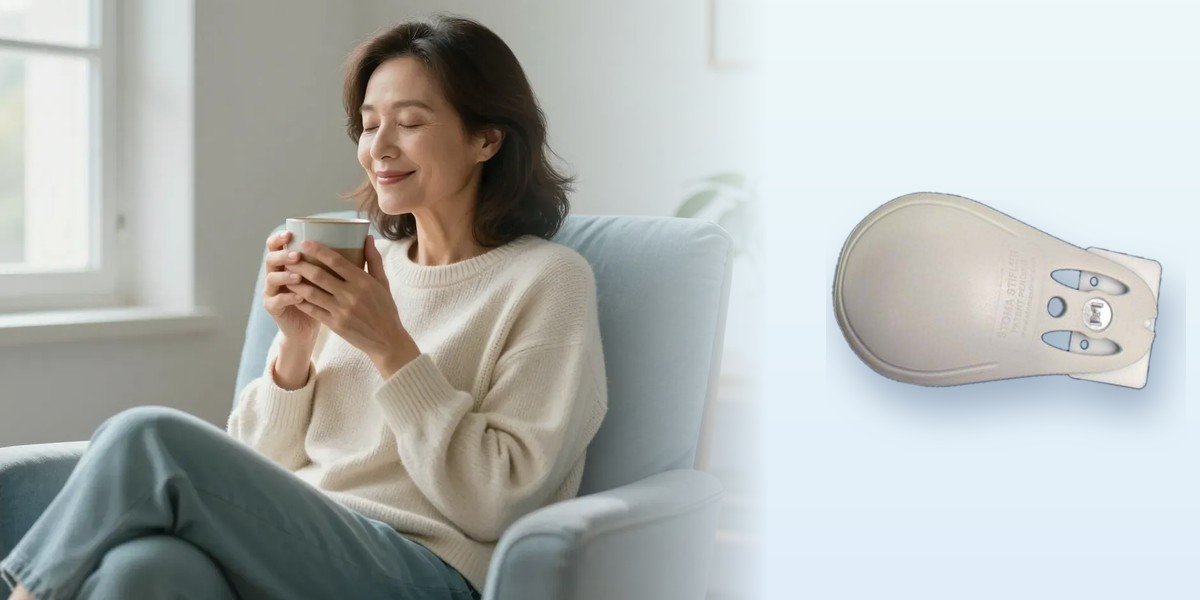
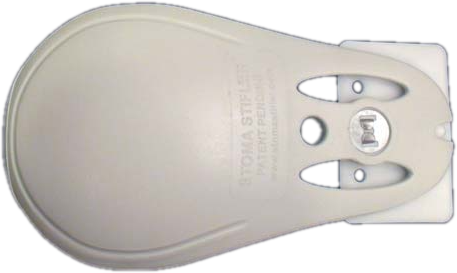
The Stoma Stifler is the only product specifically engineered for stoma sound suppression and stoma protection in one device. It combines a sound-absorbing chamber that fits over the pouch with a stoma guard that protects the stoma site during movement. Unlike generic belts, it is designed to address the acoustic problem directly.
Most people wear it under an elasticized undergarment or snug waistband, with no belt needed. The kit also includes optional snug bands, breathable tape and a belt clip, so you can add hold on active days or attach it to an ostomy belt you already wear. It is designed for all-day wear, including work meetings, restaurant dinners, exercise and overnight sleep.
Best for: any scene where bag noise affects your confidence or daily decisions. The single method that works across every scenario the other seven address individually.
Stoma Stifler™, Sound Suppressor + Stoma Guard
Which method (or combination) to start with
If you have just started thinking about this and want to try no-cost or low-cost first: methods 1, 2, 3, and 4 stacked together cover most everyday office and home scenarios for under $50 total. Give them 2 to 4 weeks of consistent use.
The clinical context for sound-muffling strategies:
- Quality of life is at stake, and nurse support helps. A 2018 review found ostomy surgery can impair quality of life, and that involving an ostomy nurse increases acceptance, reduces complications, and improves quality of life. According to PubMed (DOI 10.3238/arztebl.2018.0182).
- Your stoma type shapes your baseline. A 2025 systematic review comparing ileostomy and colostomy found meaningfully different complication profiles, with ileostomy showing fewer overall complications. According to PubMed (DOI 10.3389/fmed.2025.1610213). Output consistency differs by stoma type as well, which is part of why your noise pattern is partly set by which stoma you have.
- Most stoma issues respond to conservative care. A 2019 review documents that the majority of stoma complications are managed without surgery, through pouching technique, dietary adjustment, and skin care. According to PubMed (DOI 10.1055/s-0038-1676995). The same levers that manage those issues are the ones that quiet noise.
- Know what is worth a nurse check. A 2023 mapping review catalogs structural stoma complications, retraction, stenosis, prolapse, parastomal hernia, and notes most are managed conservatively while some need surgical revision. According to PubMed (DOI 10.1186/s13017-023-00516-5). If your sound pattern changes suddenly and stays changed, have a stoma nurse rule these out.
If you have done those and noise is still affecting work, social life, or sleep: methods 5 (soluble fiber) and the device layer (method 8) are the next step. Soluble fiber addresses the underlying output velocity; the Stoma Stifler addresses the bag-mechanics noise the food layer does not catch.
If you would rather skip the trial-and-error and go straight to what works across every scenario: method 8 alone covers most ostomates without the layered approach. It is the more expensive option upfront but it is the only single-purchase solution that addresses the acoustic problem directly.
What does not work
- Pressing the bag with your hand during a meeting, works once or twice, then becomes the thing people notice
- Loud throat-clearing or coughing to mask sound, obvious, and the cover-up draws more attention than the sound itself
- Just hoping the bag stays quiet, this is the strategy that drains the most mental energy and produces the least result
- Buying multiple generic ostomy belts in different sizes, generic belts are not engineered for sound; layering more of them does not fix the underlying mechanism
More from the Ostomy Library
- Quiet ostomy bag strategies: 8 strategies for a quieter pouch.
- Stoma noise in meetings: How to handle stoma sounds in meetings and quiet rooms.
- Colostomy gas: How to manage colostomy gas without embarrassment.
Browse all Stoma Noise and Odor guides or the full Ostomy Library.
Frequently asked questions
What is the single most effective method for office work?
For office work, the Stoma Stifler under a fitted undershirt is a strong combination. It addresses both the acoustic problem and the rustle problem, and it is invisible under work clothing.
Can I get away with just one method, or do I need to layer?
The Stoma Stifler is the one method that works alone for most scenes. The cheaper methods (1-5) all benefit from being stacked because each one addresses a different mechanism. Layering Method 1 + Method 2 + Method 4 gives most of the at-home benefit; adding the Stifler gives the social-confidence benefit on top.
How long does it take to know if a method is working?
Methods 1, 4, and 8 are immediate. Methods 2 and 3 work within a few changes. Method 5 (fiber) takes 5-10 days. Method 6 is immediate but limited. The device layer (Method 8) is immediate, you put it on and the sound is suppressed from that moment.
Is muffling the bag medically safe?
Yes, as long as the method does not interfere with bag emptying or stoma blood flow. None of the eight methods above restrict either. The Stoma Stifler is specifically designed to protect the stoma during muffling, which is why it is sometimes recommended over generic belts that just compress.
Educational content. Not individualized medical advice. Any device worn over the stoma should leave it visible and accessible for emptying and skin checks, never restrict blood flow or output. Discuss persistent noise changes with your stoma nurse.
Helpful complementary supplies
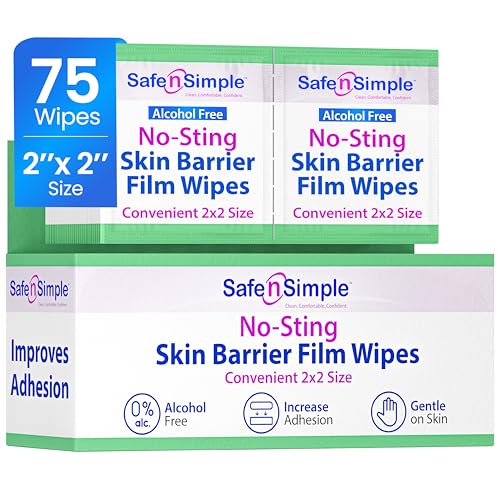
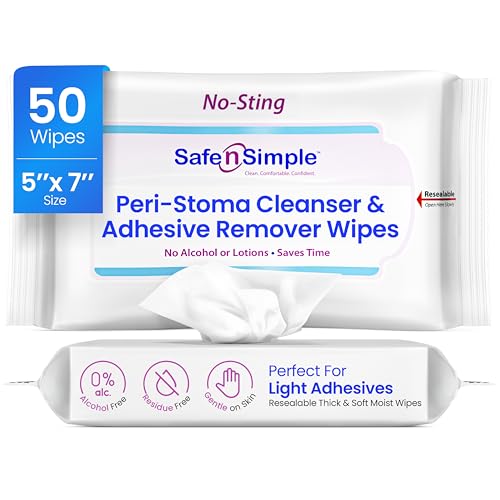
A few complementary items most ostomates keep on hand. These pair with your Stoma Stifler for an easier daily routine.

Muffling stoma sound is a logistics problem with two parallel solutions: dampen the sound at the source (bag mechanics, accessories), and reduce the air-volume conditions that make sound loud (diet, eating pace, pre-emptive emptying). Most readers who report finding their noise solution use multiple techniques simultaneously, not one silver bullet. The pattern of dramatic improvement is almost always ‘I changed three things at once’ rather than ‘I found the one thing that worked.’

Research that backs up this guidance
- Murken DR, Bleier JIS. (2019). Ostomy-Related Complications. Clinics in Colon and Rectal Surgery, 32(3):176-182. [DOI]Comprehensive review of common stoma issues, peristomal skin complications, retraction, stomal stenosis, prolapse, bleeding, dehydration from high output, and parastomal hernia. Covers prevention and recommended management strategies for every issue an ostomate typically faces.
- Bozkul G, et al. (2024). Nursing interventions for the self-efficacy of ostomy patients: A systematic review. Journal of Tissue Viability, 33(2):165-173. [DOI]Systematic review of 15 studies found that structured education, telephone follow-up, and peer-support interventions measurably increased self-efficacy, decreased stoma complications, improved adaptation, and raised quality of life. The takeaway: knowledge directly translates to fewer complications.