

The colostomy diet is simpler than the ileostomy diet but it has its own quirks. Less restrictive overall, more focused on gas and constipation management, and far more dependent on knowing your specific trigger foods than on following a generic “ostomy diet” list. This guide is the practical playbook — what colostomates actually eat, the food rules that move the needle, and the rebuild from hospital food back to your regular life.
The first thing to understand
Most foods are tolerated normally after the initial 4–6 week recovery period. Colostomates eat 90% of what they ate before surgery, with adjustments for the few things that produce excess gas, odor, or affect output volume. The “long restrictive list” that the hospital handout implies does not match reality for most people.
The two ongoing concerns for colostomates are gas/odor management and constipation prevention. Diet drives both. The food-log method below identifies your specific trigger foods within 2 weeks — faster than any general “avoid” list.
Phase 1: Hospital to home (first 4 weeks)
The first 4 weeks are about predictability. Output is still establishing its rhythm and your gut is healing. The food list is intentionally narrow:
- Safe foods: White rice, plain pasta, broiled chicken, eggs, white bread, ripe bananas, smooth peanut butter, plain yogurt, applesauce, broth-based soups
- Limit: Raw vegetables, high-fiber fruits, beans, cabbage, broccoli, brussels sprouts, onions, beer, carbonated drinks, sugar-free anything
- Pattern: 4–5 small meals per day, eat sitting down, chew thoroughly, finish meals 2 hours before lying down
Find My Colostomy Diet Plan
Phase 2: The rebuild (weeks 4 to 3 months)
This is when food becomes interesting again. Add one new food at a time, in small amounts, watch your output for 24 hours, then expand if it goes well. Most colostomates discover their specific trigger list within the first 2–3 weeks of systematic reintroduction.
- Reintroduce first: Well-cooked vegetables (carrots, zucchini, sweet potato), cooked fruits, oats, eggs with veggies, salmon, lean beef
- Reintroduce carefully: Beans (start with small portions, mashed or refried), citrus, dairy if previously tolerated
- Save for last or limit: Cabbage, broccoli, brussels sprouts (gas), beer, carbonated drinks, sugar substitutes (sorbitol, mannitol, xylitol)
The gas + odor playbook
Most “I am embarrassed in social settings” worries trace back to gas. Diet handles 80% of this problem. Five specific changes that consistently work:
1. Cut carbonated drinks for two weeks. Single cleanest test. If gas decreases meaningfully, carbonation was a primary driver. Most colostomates find this is at least half their gas issue.
2. Slow down eating. Aerophagia — swallowing air with food — accounts for the other half of gas. Chew with mouth closed, put fork down between bites, no talking while chewing.
3. Limit the big four offenders. Beans, cabbage, broccoli, and brussels sprouts produce more gas than any other foods. Eat them in small portions, well-cooked, and never twice in the same day.
4. Activated charcoal in the bag. Reduces odor at the source. One pouch per bag change. About $0.15 per change at bulk pricing.

5. Beano with high-trigger meals. Beano breaks down the complex sugars in beans and cruciferous vegetables. Take with the first bite of a high-trigger meal — can convert a “no” food into a “maybe yes” food.

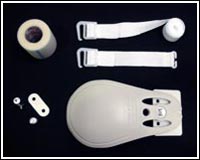
Stoma Stifler™ — Engineered for Gas-Burst Sound
The constipation prevention rules
Constipation is more common in colostomates than in ileostomates because the colon still does its water-reabsorption work — sometimes too well. Five rules that prevent the slow stretch into miserable territory:
The literature on colostomy nutrition is more permissive than the ileostomy literature for most patients:
- Care varies by stoma type. A 2018 review of intestinal ostomies emphasizes that optimal management and nutritional support vary by stoma type. According to PubMed (DOI 10.3238/arztebl.2018.0182). Because a colostomy preserves the colon’s water reabsorption, colostomates generally face fewer fluid-and-diet restrictions than ileostomates — a well-established clinical distinction.
- Comparative outcomes. A 2025 systematic review found colostomy and ileostomy carry different complication profiles, with ileostomy showing fewer overall complications (odds ratio 0.43). According to PubMed (DOI 10.3389/fmed.2025.1610213).
- Most issues are managed conservatively. A 2019 review of common ostomy complications documents that the majority are managed without surgery — through pouching technique, dietary adjustment, and skin care. According to PubMed (DOI 10.1055/s-0038-1676995).
- Water target: 2 liters daily as a minimum. More in summer or with exercise.
- Daily fiber: Soluble fiber (psyllium, oat fiber, ground flaxseed) keeps output soft without producing as much gas as some insoluble fibers.
- Movement: A 20-minute walk after lunch is the single most reliable constipation preventer for desk-job colostomates.
- Magnesium citrate 200–400 mg at bedtime if you have not had output in 3 days. Gentle, well-tolerated, not habit-forming.
- Coffee in the morning works for many colostomates as a motility nudge.

What about irrigation?
A subset of colostomates (typically those with a descending or sigmoid colostomy) can use a daily irrigation routine to empty the colon on a schedule. This allows them to wear a small cap instead of a full bag for 24+ hours.
If you are interested in irrigation, your stoma nurse is the right person to assess whether you are a candidate and to teach the technique. It is not for everyone — ileostomates and ascending colostomates do not benefit — but for those who can do it, it is life-changing.
The food log method (faster than any avoid list)
Forget memorizing generic ostomy avoid lists. The food log method identifies your specific trigger foods in 14 days.
How to do it: For 14 days, write down what you eat, what you drink, and rate your bag output volume + noise + gas at the next bag emptying. A simple notebook works. So does the notes app on your phone. After 14 days, patterns emerge.
Most colostomates discover their personal “no” list is shorter than the generic one — usually 3 to 6 specific foods, not the whole list. And the personal “always yes” list grows wider than the hospital handout suggested.
Probiotic timing (matters less than for ileostomy, but still useful)
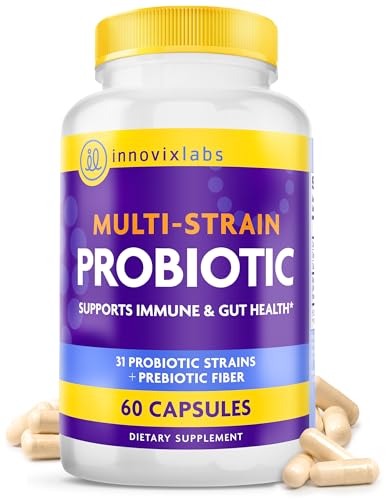
Colostomates have most of their colon intact, so the gut bacteria reset is less dramatic than for ileostomates. A daily probiotic still helps with motility and gas, particularly in the first 6 months post-surgery. Saccharomyces boulardii has the most ostomy-specific evidence.
Eating out (the real-world playbook)
Restaurants and social meals are where colostomy diet rules meet the real world. The playbook most colostomates settle into:
The colostomy diet conversation is fundamentally different from the ileostomy diet conversation: colostomy patients can usually return to most pre-surgery foods within 3–6 months, and the management focus shifts from hydration crises to managing odor, gas patterns, and bowel regularity. The studies are clear that food avoidance correlates with lower quality of life — meaning the willingness to retry foods is itself part of healing. The community pattern that matches the literature: introduce slowly in weeks 1–6, track what fits, but don’t over-restrict past month 6. The folks who stay on a hospital-discharge diet 18 months later are usually the ones who never started the re-introduction phase, not the ones whose bodies couldn’t handle it.
- “Safe” cuisine list: Identify 2–3 restaurant types that reliably work. Common winners: Mediterranean (grilled fish + rice + cooked vegetables), Italian (pasta with butter or olive oil), Asian (steamed dishes, plain rice).
- Skip the bread basket if it triggers gas the next 2 hours
- One drink, not three. Wine is generally easier than beer or champagne.
- Stay seated for 10 minutes after the meal before standing — calms output before you walk to the car
- Identify a “go-to” meal at restaurants you visit often. Predictability matters more than variety on high-stakes nights.
The noise-management diet rules
Diet does not silence the bag itself, but it reduces the source noise that colostomies are most prone to: gas-driven pops and bursts. The food log + the five gas-prevention rules above cover most of this.
For social settings where even residual noise affects confidence: the complete noise guide covers the device layer that handles what diet cannot.
Frequently asked questions
Can I drink alcohol with a colostomy?
Yes, in moderation. Wine is usually well-tolerated. Beer and champagne produce gas. Spirits are dehydrating — sip water alongside. One drink is fine for most colostomates; three drinks often shows up as gas the next 24 hours.
What about spicy food?
Most colostomates tolerate moderate spice fine. Very spicy foods can produce skin irritation around the stoma when output is highly seasoned. Test in small amounts.
Do I need to follow this diet forever?
No. The “restrictive” first weeks are about healing. After 3 months, most colostomates eat versions of family meals with minor modifications. The food rules become unconscious habits.
Will diet cure my gas problem completely?
It will dramatically reduce frequency and volume. Some residual gas is normal in any functioning gut. For social settings where even residual gas affects confidence, the device layer (Stoma Stifler) silences the bag mechanics that diet cannot address.
What is the single most important rule?
If you do nothing else from this article: cut carbonated drinks for two weeks and run the food log for 14 days. Those two moves alone resolve most colostomate diet issues for most people.
Educational content. Not individualized medical advice. Specific dietary concerns — especially with additional conditions like diabetes, IBD, or kidney disease — should go to a dietitian familiar with ostomies.
Research that backs up this guidance
- Murken DR, Bleier JIS. (2019). Ostomy-Related Complications. Clinics in Colon and Rectal Surgery, 32(3):176-182. [DOI]Comprehensive review of common stoma issues – peristomal skin complications, retraction, stomal stenosis, prolapse, bleeding, dehydration from high output, and parastomal hernia. Covers prevention and recommended management strategies for every issue an ostomate typically faces.