
Stoma Guard Match Tool: Find Your Impact + Noise Setup
Answer 4 questions and we’ll show you which guard + carrier setup matches your daily reality.
A stoma guard does two jobs at once: protects the stoma from impact (seatbelt pressure, a child’s elbow, a stray basketball) and mutes the sound of gas leaving the stoma. The best modern stoma guards do both without bulk, fit discreetly under clothes, and slide into a fabric carrier like a quality pocket ostomy belt.
This guide walks through what a stoma guard does, which features matter for your situation, and how to combine a guard with the right carrier for active living.
First: take the Stoma Guard Match Tool above
Four questions about the impact + noise situations you face, plus your comfort and carrier needs. The tool tells you whether to lead with a rigid guard, a fabric carrier, or the combo.
Two Picks That Cover Impact, Noise + Discretion

What a stoma guard does
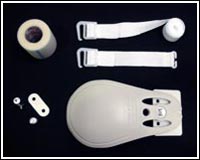
1. Impact protection. The rigid shell creates a small air gap between the stoma and outside force. A sudden hug, a sudden stop, a yoga move where your knee comes up — the guard absorbs the impact before it reaches the stoma.
2. Sound suppression. The rigid shell mutes higher-frequency stoma sounds — the part that travels and grabs attention. Lower-frequency rumble gets dampened by surrounding fabric. Sounds that used to broadcast across a dinner table become inaudible 3 feet away.
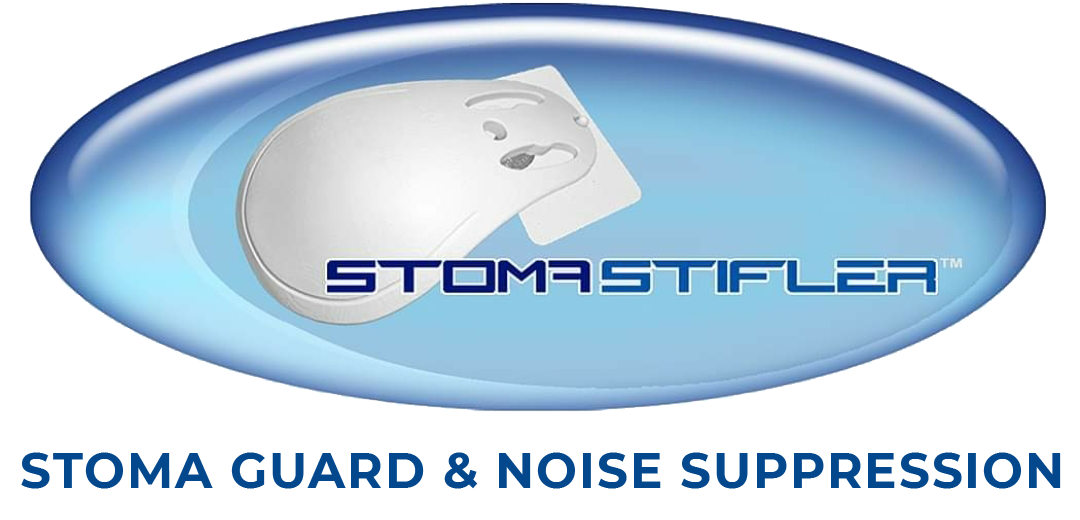
Why The Stoma Stifler stands out
Most rigid guards solve impact protection well enough but ignore noise. Most noise dampeners are flimsy fabric that can’t protect against impact. The Stoma Stifler does both — built specifically for the active-ostomate use case where you can’t separate the problems.
It’s also intentionally thinner than competing guards. Under a T-shirt or button-down, the profile is invisible.
The combo move: guard + carrier
The smartest setup pairs The Stoma Stifler with a quality pocket ostomy belt fabric carrier. A quality pocket ostomy belt compresses the pouch profile (eliminating the swing-and-pull on your adhesive); The Stoma Stifler sits inside the a pocket ostomy belt’s front pocket (takes impact + mutes noise). One system, two functions, no doubled-up hardware.
Who needs a stoma guard most
Not every ostomate needs a rigid guard, but for a large group it changes daily life. You are a strong candidate if you are physically active — running, cycling, weight training, yoga, and team sports all put the stoma in the path of impact and pressure. Parents of young children benefit too, since a stray elbow or an enthusiastic hug tends to land exactly where the stoma sits. Anyone who drives regularly should consider one, because the seatbelt crosses the abdomen and a sudden stop concentrates force on the stoma. And if noise in public is what erodes your confidence — at work, at dinner, during intimacy — a guard that doubles as a sound dampener addresses the physical and the social risk in a single piece of gear.
How to choose the right stoma guard
A few features separate a guard you will reach for daily from one that ends up in a drawer. Profile matters first: a thin shell disappears under a t-shirt or button-down, while a bulky one announces itself and gets left at home. Look for an open structure that lets the pouch fill and drain normally — a guard pressed flat against the stoma defeats its own purpose. Weight is the next consideration, since anything heavy tugs on your adhesive over a long day. Check that the guard pairs with a fabric carrier or pocket belt so it stays put during movement. Finally, prioritize one that handles both impact and noise; buying separate products for each problem means twice the bulk and twice the cost.
Guard, ostomy belt, or hernia belt — which one do you need
These three are easy to confuse, and reaching for the wrong one is a common, costly mistake. An ostomy belt is soft and flexible; its job is to hold the pouch close so it does not swing and pull on the wafer. A stoma guard is a rigid shell that adds impact protection and sound suppression on top of that. A hernia support belt is different again — a firmer abdominal band with a precisely cut opening, used specifically to support the muscle wall and reduce parastomal hernia risk. Many active ostomates end up using two of the three together: a guard slid into the pocket of an ostomy belt covers impact, noise, and pouch security at once, while a hernia belt is added only if a clinician recommends it.
Using your guard through a real day
The guard earns its place across very different moments. At work, it mutes the after-lunch sounds that used to make meetings stressful. During exercise it takes the hits — the barbell that brushes your midsection, the knee that comes up in yoga, the contact in a pickup game. In the car it sits between the seatbelt and the stoma, turning a sudden stop into a non-event. At night, many ostomates wear a lighter setup so a partner is not woken by gas, and during intimacy the same discretion removes a major source of anxiety. For travel, a guard plus a pocket belt keeps everything compact and protected through airport seats, long flights, and unfamiliar beds. If quieting the sound at its source is your main goal, our full guide on how to stop stoma noise covers the diet and habit changes that pair naturally with a guard.
Caring for your stoma guard
A guard lasts longest with a simple routine. Wipe the rigid shell with mild soap and warm water as part of your regular pouch change, then let it air-dry fully before the next use — trapped moisture is the enemy of both hygiene and adhesion. Avoid harsh solvents and the dishwasher, which can warp or cloud the material over time. Inspect it every few weeks for cracks or rough edges that could press on the skin, and keep a spare in your travel kit so a lost or damaged guard never sidelines your plans. Treated well, a quality guard is a buy-it-once piece of equipment that quietly does its job for years.
Research behind stoma guards & quality of life
- Ayaz-Alkaya S. (2018). Overview of psychosocial problems in individuals with stoma. International Wound Journal, 16(1):243-249. [DOI]
27-study review confirms body image, depression, and social adaptation as the top QoL hits after ostomy. Discreet impact + noise control directly tackles social adaptation.
- Aktas D, Gocman Baykara Z. (2015). Body Image Perceptions of Persons With a Stoma. Ostomy/Wound Management, 61(5):26-40. [PubMed]
Body image scores rose when ostomates felt confident in shared activities. Equipment that mutes noise during meals + intimacy restores that confidence.
- Cadogan J. (2015). Psychosocial impact of intestinal failure. British Journal of Nursing, 24(17):S24-9. [DOI]
Family members carry an emotional load when an ostomate self-limits. Restoring autonomy with the right gear reduces the ripple effect.
The active ostomates who adapt fastest stop treating impact and noise as separate problems to solve with separate gear. The pattern is consistent: a single thin guard that protects the stoma and dampens sound, carried in a pocket belt, removes far more daily friction than a drawer full of single-purpose products. The readers who struggle longest usually either over-buy bulky guards they never wear, or under-protect with a soft belt that has no impact shell. Match the guard to your real activities, pair it with a carrier, and the equipment fades into the background — which is exactly the point.
Related guides
Frequently Asked Questions
What’s the difference between a stoma guard and an ostomy belt?
An ostomy belt holds your pouch close to your body so it doesn’t swing. It’s soft and flexible. A stoma guard is a rigid shell that adds impact protection plus sound suppression. They do different jobs and many active ostomates use both — with the guard slid into the belt’s pocket.
Can a stoma guard prevent parastomal hernia?
No. Hernia prevention requires a specific abdominal support belt with a precisely cut stoma opening. A stoma guard handles impact and noise, not hernia.
Will a stoma guard interfere with pouch drainage?
No. Well-designed guards including The Stoma Stifler have an open structure that lets the pouch fill and drain normally. The rigid shell sits a small distance from the stoma, not pressed against it.
Can I wear a stoma guard during exercise?
Yes — that’s one of its main use cases. Running, cycling, weight training, yoga, team sports — the guard makes all of these meaningfully safer.
How do I clean The Stoma Stifler?
Wipe down with mild soap and warm water as part of your regular pouch-change routine. Air-dry. No machine washing required.
Bottom line
A stoma guard that handles both impact protection AND sound suppression — while staying thin enough to disappear under clothes — is what most active ostomates eventually need. The Stoma Stifler does that job. Pair it with a quality pocket ostomy belt as a carrier and you have one elegant setup for everything from desk work to a soccer game with the kids. Use the Match Tool above to confirm your situation.
Helpful complementary supplies
A few items most ostomates keep on hand. These pair with your Stoma Stifler for an easier daily routine.


